cmc tylose
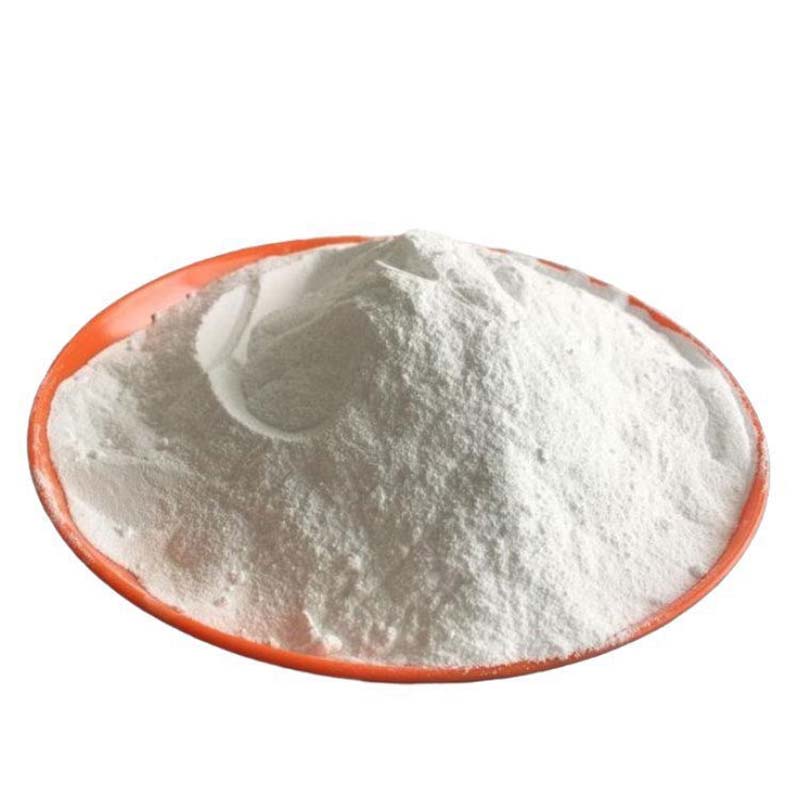
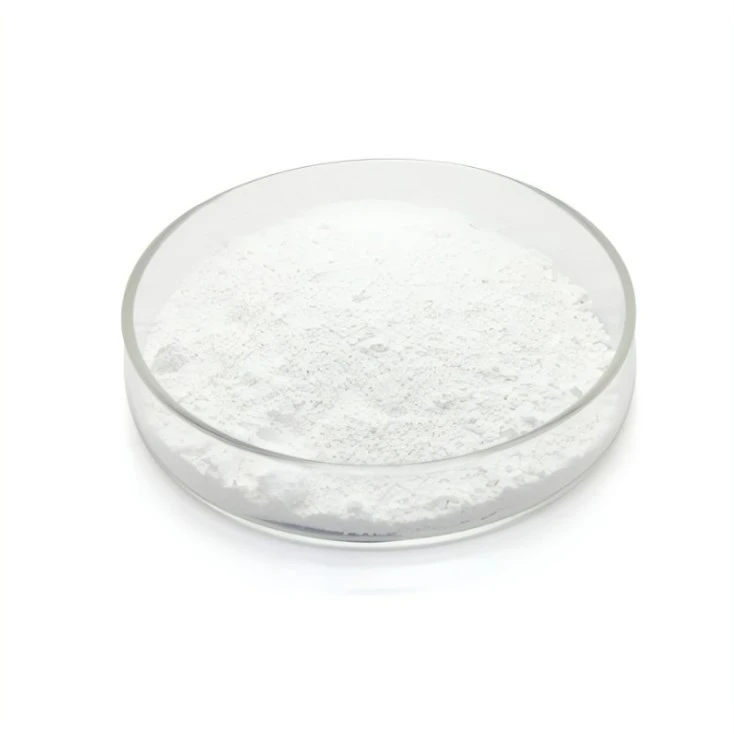
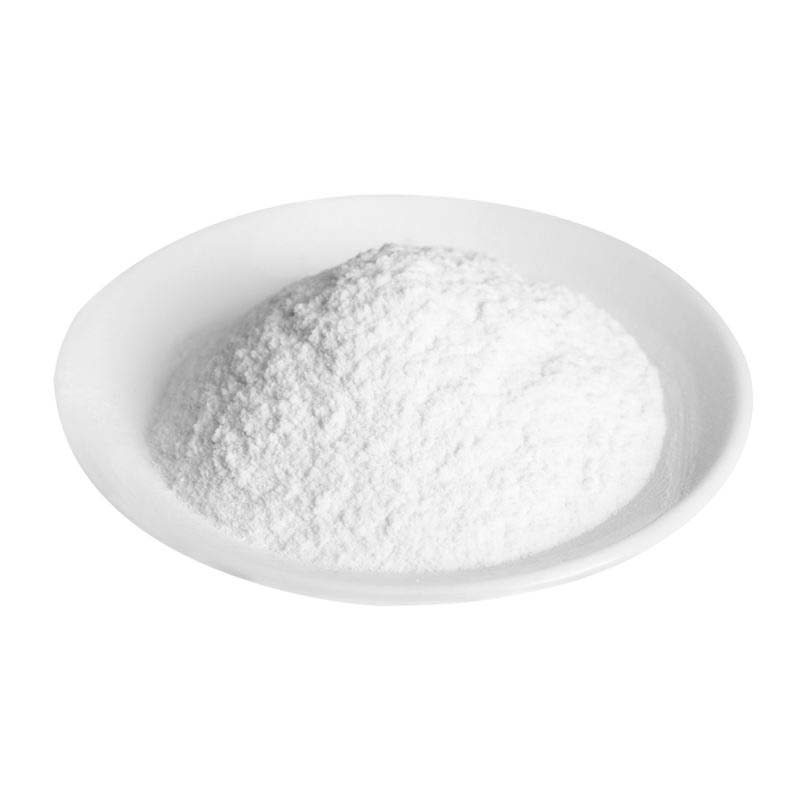
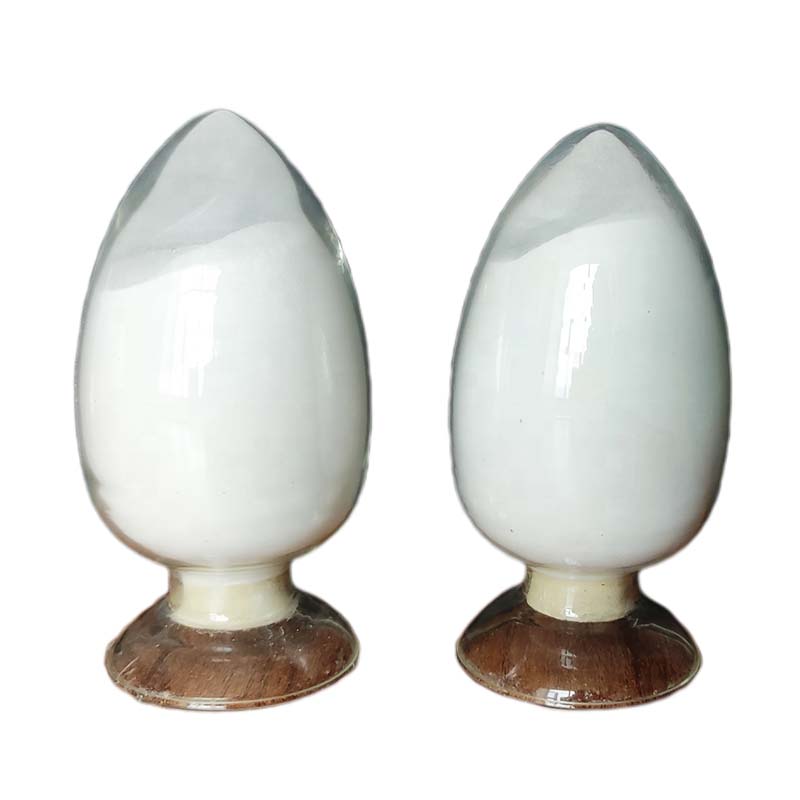
Inside the supply chain of cmc sodium carboxymethyl cellulose : specs, trends, and real-world use I’ve toured more than a few polymer plants, and, to be honest, CMC is one of those quiet workhorses that keeps half the world’s products behaving properly. Thickener, stabilizer, film former—call it what you like, it just works. The batch I reviewed here comes from Pezetech’s facility network, with commercial offices at 1601, Block B, New Century Diamond Plaza, No. 466 Zhongshan East Road, Chang'an District, Shijiazhuang City, Hebei Province. Actually, the story is bigger than one SKU: it’s about how CMC is specced, tested, and customized so your line doesn’t stop at 3 a.m. What it is (and why formulators care) CMC is a polyanionic cellulose ether, water-soluble in hot and cold systems, prized for emulsifying, dispersing, and film-forming. It’s physiologically harmless, non-corrosive, and—surprisingly—very forgiving in multi-ingredient systems. Many customers say it’s the “insurance policy” in soups, ceramic slurries, and drilling muds where stability equals money. Product snapshot: High Quality 99%min Sodium Carboxymethyl Cellulose CMC Chemical Powder Purity (dry basis) ≥ 99% (typical ≈ 99.5%) Degree of Substitution (DS) 0.75–1.20 (real-world use may vary) Viscosity (2% sol., 25°C) 400–1200 mPa·s (Brookfield LV, ASTM D2196/ISO 3219) pH (1% sol.) 6.5–8.5 Moisture ≤ 8% NaCl/NaGlycolate ≤ 1.0% / ≤ 0.4% Particle size 95% pass 80 mesh Appearance White to off-white powder Shelf life 24 months sealed; 1–2 weeks in solution (ambient) Origin Shijiazhuang, Hebei (see address above) Packaging 25 kg bags; jumbo options on request Process flow, methods, and testing Materials: purified cellulose, monochloroacetic acid or sodium monochloroacetate, NaOH, water. Method (simplified): alkalization of cellulose → etherification (aqueous or solvent-assisted) → neutralization → washing → drying → milling → sieving → blending. QC & standards: DS by titration; viscosity via Brookfield LV (ASTM D2196/ISO 3219); purity and salts per FCC/USP; microbial per food/pharma needs; drilling grades checked against API 13A (LV/HV). Batches are typically ISO 9001-controlled with lot traceability. Service life is largely storage-driven—cool, dry, sealed is your friend. Where it’s used (quick hits) Food (E466): sauces, dairy analogs, bakery fillings—stability and mouthfeel. Pharma: suspending agent; complies with USP–NF CMC-Na monographs. Ceramics: glaze rheology and green strength. Paper: surface sizing; improved retention. Oil & gas: API-grade fluid loss control in water-based muds. Detergents & home care: anti-redeposition, viscosity control. Case notes from the field - Ceramic plant, EU: swapping to DS ≈ 0.9 cut glaze settling complaints by 41% (8-week line data). - Instant noodles, SEA: 0.25% CMC reduced cook-breakage 15% and held viscosity after 3 months at 30°C. - Drilling contractor, MENA: CMC-HV blend hit API fluid loss 12 mL (30 min) from 24 mL, same solids—nice cost down. Feedback was candid: “Predictable. No fish-eyes. Ships on time.” I guess that’s what you want in a backbone ingredient. Vendor comparison (snapshot, typical ranges) Vendor Purity Viscosity options Certs Lead time Customization Pezetech ≥99% LV/RV/HV; food, pharma, API grades ISO 9001; food E466; FCC 7–15 days (≈) DS, particle size, blend packs Vendor A ≥98% Food & industrial ISO 9001 2–4 weeks Limited Vendor B ≥99% Pharma-focused ISO 9001; USP 3–5 weeks Custom DS only Customization and buying tips - Match DS to ionic strength of your system (salty soups like DS 0.9–1.0). - For shear-sensitive lines, request a rheology curve, not just a single viscosity point. - Ask for microbial and aldehyde specs if you’re in food or pharma. - If you need cmc sodium carboxymethyl cellulose for drilling, reference API 13A (LV/HV) in the PO. - For ceramic glazes, cmc sodium carboxymethyl cellulose with tighter PSD reduces specking—worth it. Compliance markers Labels you’ll want to see: E466 (EU), FCC monograph, USP–NF CMC-Na, GB 1886.232 for food-grade, ISO 9001 QMS, and API 13A where applicable. Viscosity per ASTM D2196 or ISO 3219 keeps everyone honest. References EU Food Additive E466: Sodium Carboxymethyl Cellulose. FCC Monograph: Sodium Carboxymethylcellulose. USP–NF: Carboxymethylcellulose Sodium, official monograph. GB 1886.232: Food Additive Sodium Carboxymethyl Cellulose (China). API Specification 13A: Drilling Fluids Materials (CMC LV/HV). ASTM D2196 / ISO 3219: Rotational rheology methods.
Play Video












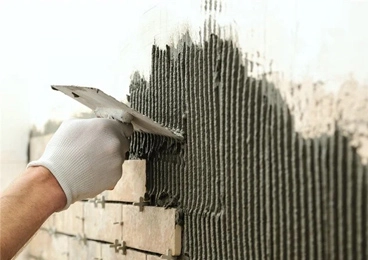 Plastering mortar
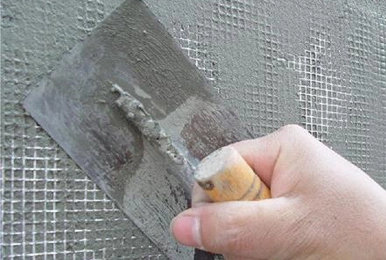 External Wall Insulation Mortar
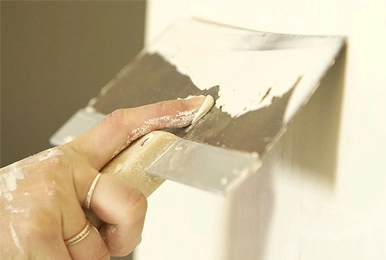 Gypsum
 Tile Adhesive
 Putty For Exterior Wall
 Interior Wall Putty
 Redispersible Polymer Powder
 Reactive Dyes
 Digital Printed Fabric
 CMC Printing paste